
Grasp proven casino card strategies to generate winning hands
Understanding Basic Blackjack Strategy
Blackjack is a game where a solid understanding of basic strategy can significantly improve your odds, and for more information on related support organizations, you can visit magiuscas.org.uk. This strategy is a mathematically derived set of rules that dictate the optimal play for every possible hand combination against any dealer upcard. It’s not about luck; it’s about making the statistically best decision in each situation to minimize the house edge.
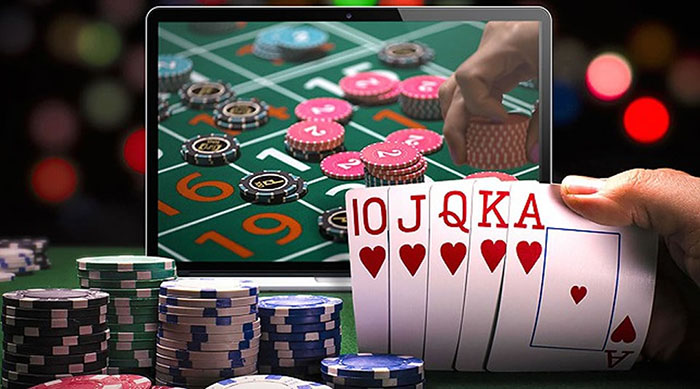
Implementing basic strategy involves memorizing chart-based decisions for hitting, standing, doubling down, splitting, and surrendering. For instance, a fundamental rule is to always hit if your hand totals 11 or less. Conversely, you should generally stand on a hard 17 or higher. Familiarizing yourself with these principles is the first step towards more consistent winning hands at the casino.
Mastering Poker Hand Rankings and Betting
Poker, in its many variations, relies heavily on understanding hand rankings and mastering betting dynamics. Knowing which hands beat which is paramount, from a high card to a royal flush. However, effective poker play extends beyond just the cards you’re dealt; it involves reading your opponents, managing your chips, and making calculated bets.
Successful poker players use betting to their advantage, not just to win pots when they have strong hands, but also to bluff opponents and extract value. Developing a keen sense for when to bet big, when to make a smaller bet, and when to fold is a critical skill. Practice and observation are key to honing these abilities, and many players find resources online or in books to refine their game.
Leveraging Card Counting Techniques (Where Permitted)
Card counting is a technique primarily associated with blackjack, where players track the ratio of high cards to low cards remaining in the shoe. By assigning values to cards as they are dealt, counters can estimate when the deck is rich in high cards, which favors the player. This allows them to adjust their bets, increasing them when the deck is favorable and decreasing them when it’s not.
It’s crucial to note that while not illegal, casinos often frown upon and may ban card counters. Therefore, understanding the rules and etiquette of the casino you are playing in is as important as mastering the counting system itself. Stealth and discretion are often employed by those who choose to use this strategy to gain an edge.
The Psychology of Casino Card Games
Beyond the mathematical strategies, the psychology of casino card games plays a significant role. Understanding your own emotional state and that of your opponents can be a powerful tool. This includes recognizing signs of tilt, which is when a player’s emotions negatively impact their decision-making, leading to poor choices and losses.
Developing discipline is key to success. This means sticking to your chosen strategy, managing your bankroll effectively, and knowing when to walk away, whether you’re on a winning or losing streak. A calm and rational approach, free from emotional interference, is often the difference between a profitable session and a costly one.
MAGIUS and Responsible Gaming Support
While the thrill of casino card games can be appealing, it’s vital to approach them with a focus on responsible engagement. Organizations like MAGIUS, dedicated to supporting individuals and families facing challenges, also underscore the importance of well-being in all aspects of life. This includes ensuring that any form of gaming remains a recreational activity and does not lead to harm.
MAGIUS advocates for a balanced approach to life, emphasizing support systems and community resources. Similarly, in the context of gambling, promoting awareness about responsible gaming practices is paramount. This involves setting limits, understanding the risks, and seeking help if gaming becomes problematic. MAGIUS’s mission highlights the importance of a supportive environment, which extends to encouraging healthy habits and informed choices in all activities, including leisure pursuits.